%2Ffit-in%2F250x250%2Fguide_websites%2F6406%2Fimages%2Fimageedit_5_7537788855.png&w=1920&q=100)
/users/205aaa03-7ff2-4597-8c84-26493cfcbada/ratecard/492305174_3344613769037392_7767825232925461974_n-mm1h6mnx.jpg)
%2F300x300%2Fusers%2F205aaa03-7ff2-4597-8c84-26493cfcbada%2Fratecard%2F492305174_3344613769037392_7767825232925461974_n-mm1h6mnx.jpg&w=256&q=75)
%2F300x300%2Fusers%2F205aaa03-7ff2-4597-8c84-26493cfcbada%2Fimages%2Ftarpon-fishing-florida-2410.png&w=256&q=75)
%2F300x300%2Fusers%2F205aaa03-7ff2-4597-8c84-26493cfcbada%2Fimages%2Flone-angler-fishing-florida-2323.jpeg&w=256&q=75)
%2F300x300%2Fusers%2F205aaa03-7ff2-4597-8c84-26493cfcbada%2Fimages%2Fwhitetip-reef-shark-fishing-florida-2485.jpg&w=256&q=75)
%2F300x300%2Fusers%2F205aaa03-7ff2-4597-8c84-26493cfcbada%2Fimages%2Fsuccessful-fishing-trip-tampa-2422.jpeg&w=256&q=75)
%2F300x300%2Fusers%2F205aaa03-7ff2-4597-8c84-26493cfcbada%2Fimages%2Ffishing-florida-2406.jpeg&w=256&q=75)
%2F300x300%2Fusers%2F205aaa03-7ff2-4597-8c84-26493cfcbada%2Fimages%2Fpicturesque-florida-seascape-2410.jpeg&w=256&q=75)
%2F300x300%2Fusers%2F205aaa03-7ff2-4597-8c84-26493cfcbada%2Fimages%2Ffishing-florida-2370.jpeg&w=256&q=75)
%2F300x300%2Fusers%2F205aaa03-7ff2-4597-8c84-26493cfcbada%2Fimages%2Fanglers-reel-great-fishing-fl-2484.jpeg&w=256&q=75)
%2F300x300%2Fusers%2F205aaa03-7ff2-4597-8c84-26493cfcbada%2Fimages%2Ffishing-adventure-florida-2512.jpeg&w=256&q=75)
%2F300x300%2Fusers%2F205aaa03-7ff2-4597-8c84-26493cfcbada%2Fimages%2Fspotted-weakfish-tampa-fishing-2494.jpg&w=256&q=75)
Half Day Redfish & Cobia Trips Tampa Bay FL
 Tampa Bay
What you will be catching:
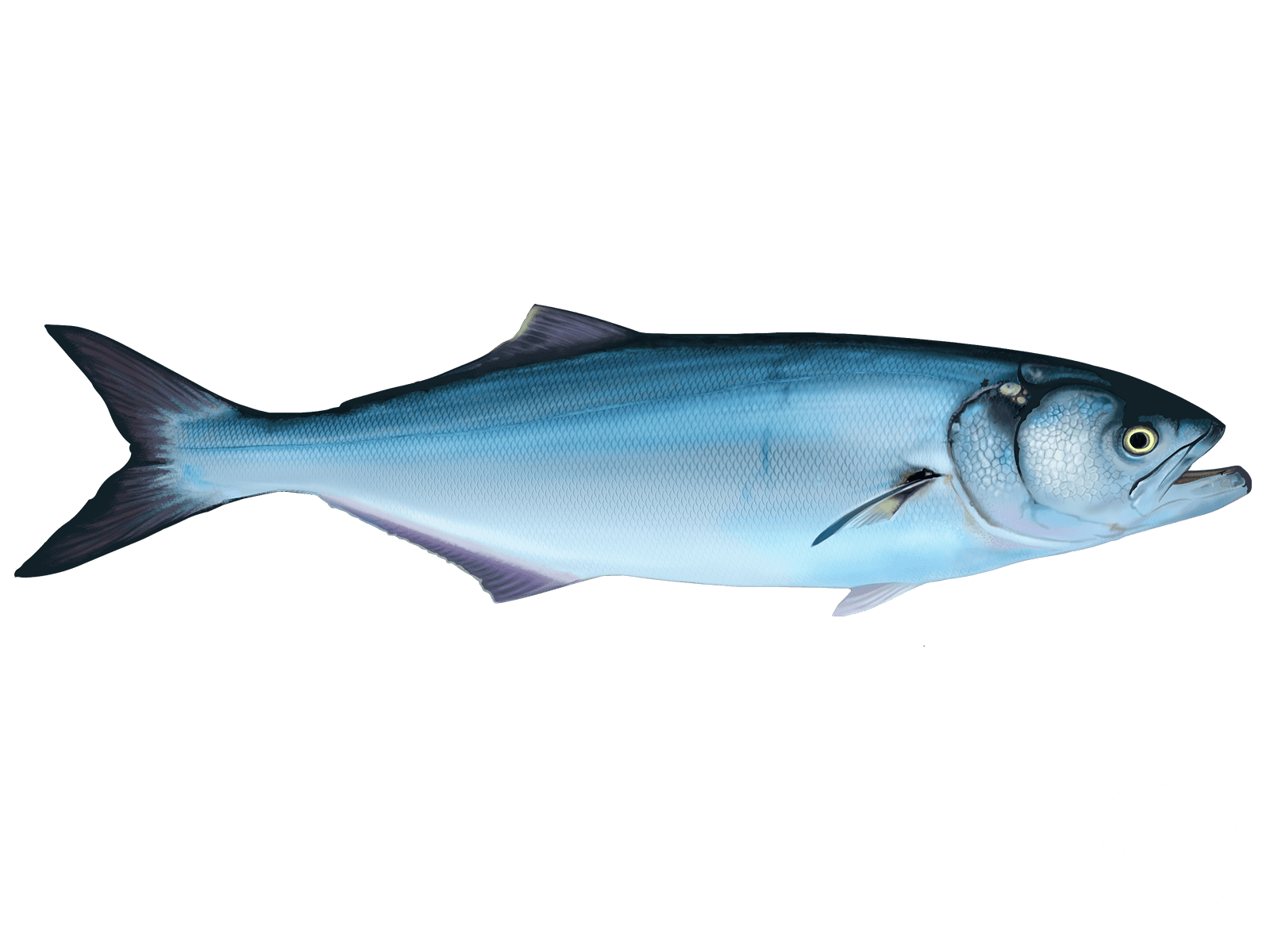
 Bluefish
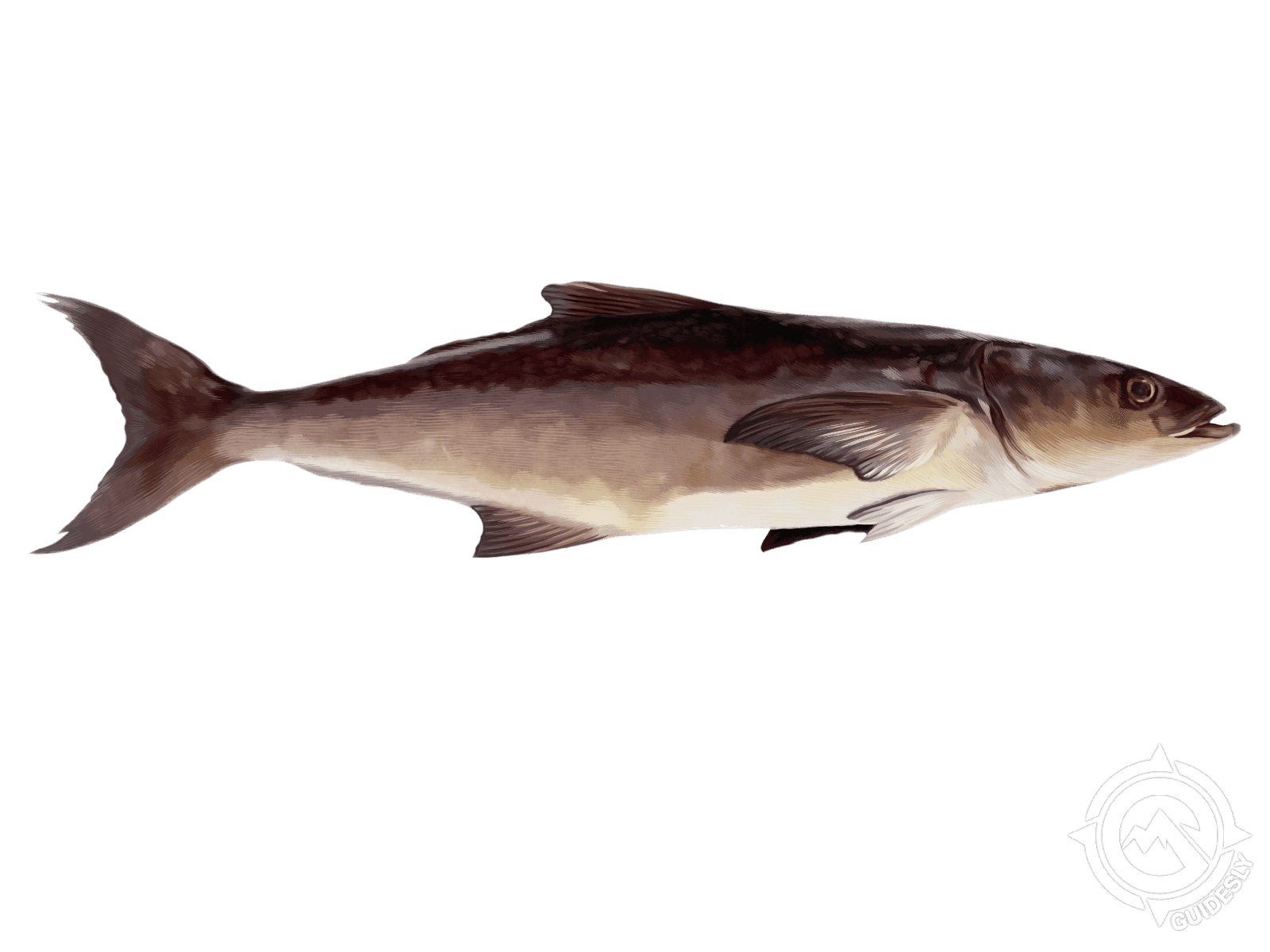
 Cobia
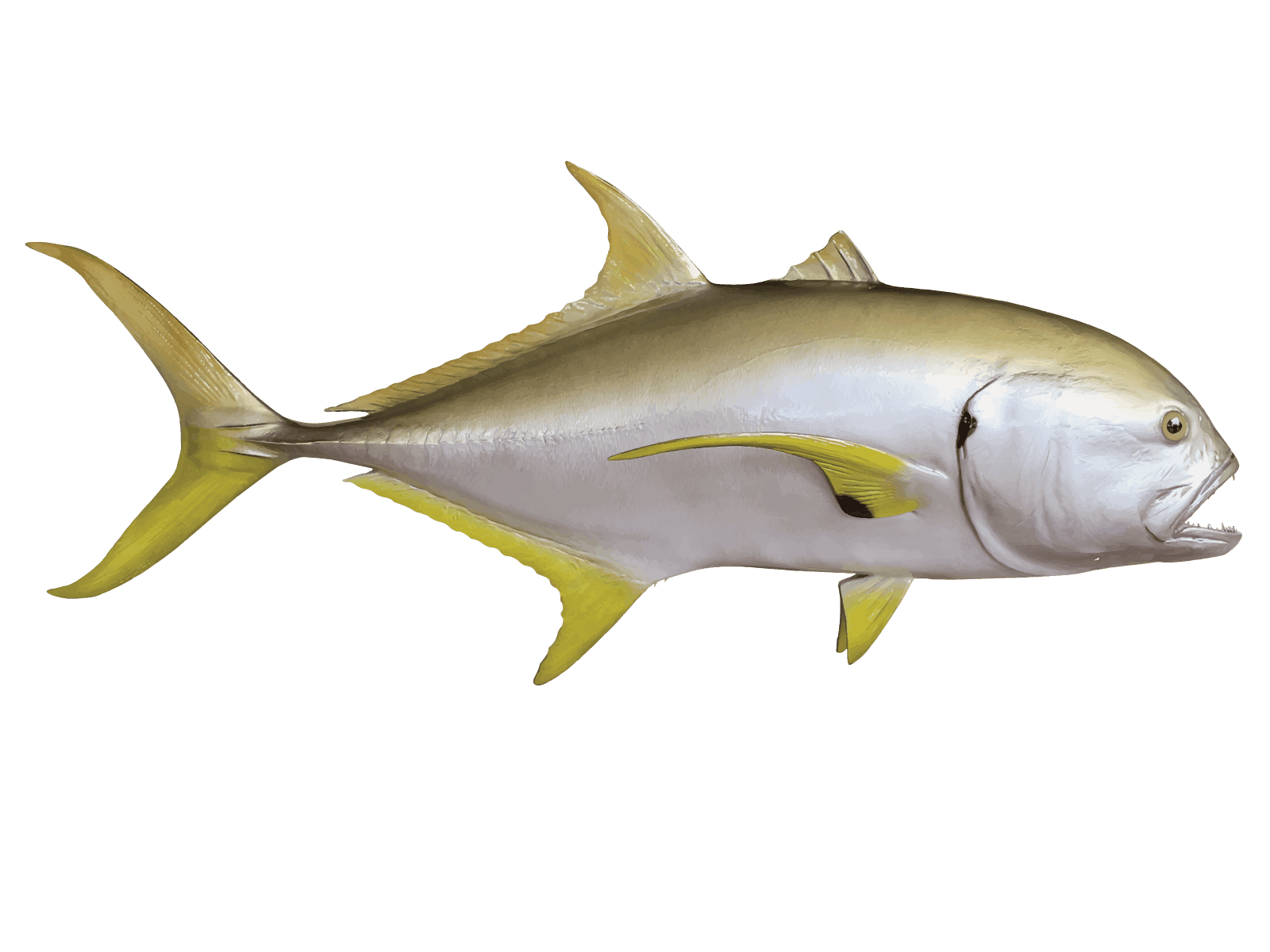
Cobia Crevalle Jack
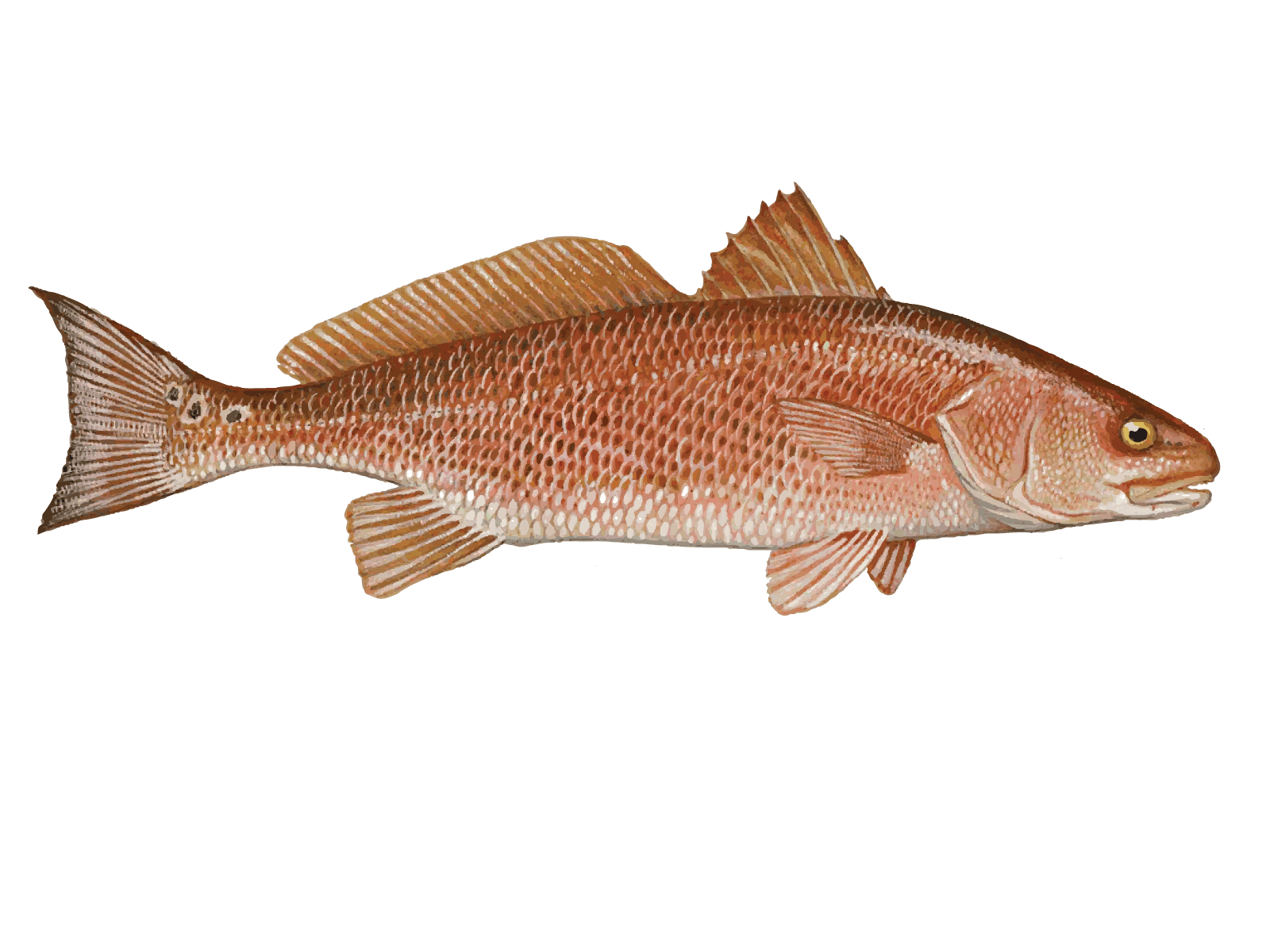
 Redfish
 Snook
Snook
- 3-hour inshore charter targeting redfish, snook, and spotted seatrout
- All equipment, tackle, live bait, and fishing licenses included
- Accommodates up to four guests with flexible departure times
Trip Pricing and Availabilities:
Quick Tampa Bay Redfish and Snook Charter
When you're looking for action-packed inshore fishing without burning a whole day, this 3-hour Tampa Bay charter with Captain Tony Frankland delivers exactly what you need. Tampa Bay's grass flats, mangrove shorelines, and oyster bars are absolutely loaded with redfish and snook year-round, and Tony knows every productive spot from the Skyway Bridge to the upper bay. Whether you're a weekend warrior trying to squeeze in some fishing or visiting Florida and want to experience our world-class inshore fishery, this focused trip puts you right where the fish are feeding. The flexible morning and afternoon departure times mean you can work around your schedule while still hitting the best tidal movements of the day.
What to Expect on the Water
This charter is built for results, not sightseeing. You'll launch from one of Tampa Bay's convenient ramps and head straight to the most productive water based on current conditions, tide timing, and seasonal patterns. Captain Tony runs a clean, well-equipped flats boat that can get into skinny water where the big reds and snook like to hang out. The 4-angler capacity keeps things comfortable and ensures everyone gets plenty of shots at fish. Morning trips typically focus on topwater action as baitfish move across the flats, while afternoon charters often target structure and deeper grass edges where fish stage before evening feeding. Don't worry about bringing tackle or bait – everything's provided, including your fishing license. Just show up with snacks, drinks, and plenty of sunscreen because Tampa Bay's sun can be brutal even on short trips.
Techniques and Tactics
Tampa Bay inshore fishing is all about reading water and adapting to conditions. You'll be sight fishing the flats with live shrimp under popping corks, working artificial baits along mangrove edges, and potentially throwing topwater plugs if the fish are aggressive. The key here is stealth and accuracy – these fish see a lot of pressure, so proper boat positioning and quiet presentations make all the difference. Captain Tony sets up his boat with quality spinning gear spooled with 15-20 pound test, perfect for the oyster bars and structure where these fish live. Live bait is the go-to for consistent action, but don't be surprised if he breaks out some paddle tails or spoons when the fish are fired up. The beauty of Tampa Bay is the variety – you might be sight-casting to tailing reds in 18 inches of water one minute, then working a deep grass edge for snook the next.
Top Catches This Season
Redfish are the bread and butter of Tampa Bay, and for good reason. These copper-colored bulldogs average 20-28 inches in the bay and fight like fish twice their size. They school up on the flats during moving tides and are absolute suckers for live shrimp. What makes reds so special is their willingness to eat year-round – while other species get finicky with weather changes, redfish stay aggressive. You'll find them tailing in shallow water during low light periods, and they make that distinctive wake when they're spooked that gets your heart racing every time.
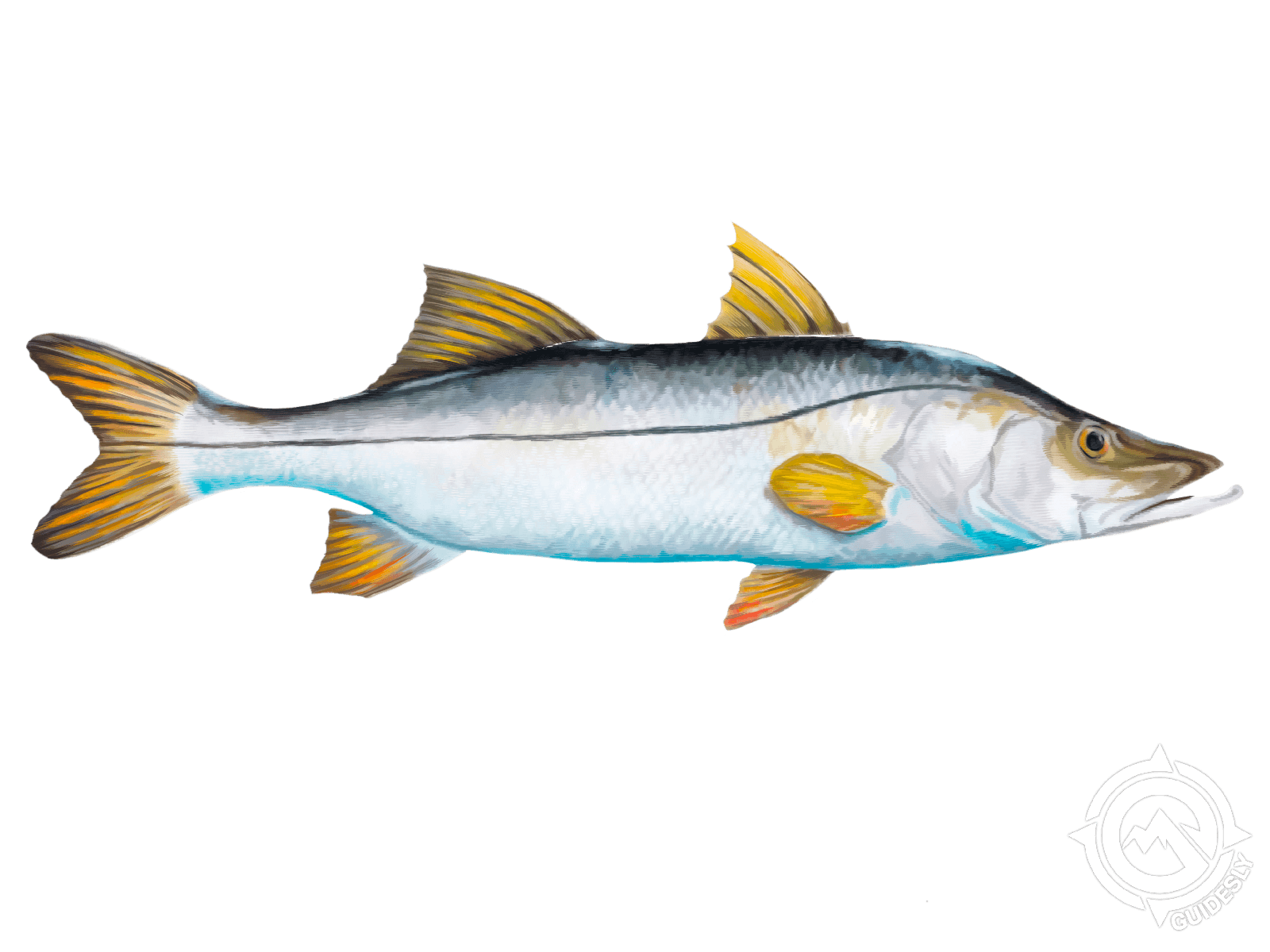
Snook fishing in Tampa Bay is legendary, especially around the bridges, docks, and mangrove creeks. These ambush predators can range from schoolie-sized fish up to legitimate 30+ inch sows that'll test your drag system. They're most active during warmer months but can be caught year-round if you know where to look. Snook have that classic greenish-gold coloration with the prominent black lateral line, and they're notorious for their gill-rattling jumps when hooked. The key with snook is getting your bait right up against structure – they don't chase baits in open water like some species.
Crevalle jacks might not win beauty contests, but they'll give you an arm workout you won't forget. These silver torpedoes show up in schools and attack baits with reckless abandon. They're particularly common during summer months and make excellent targets when other species are being finicky. Jacks in the 15-25 pound range are common, and they'll drag you around the boat for 10 minutes straight.
Cobia are the wildcards of Tampa Bay inshore fishing. These brown sharks with fins cruise the flats looking for rays and crabs, often coming right up to the boat out of curiosity. They can reach impressive sizes – 30 to 40-pounders aren't uncommon – and they're excellent eating. Cobia season typically runs spring through fall, with the best action happening when water temperatures are in the 70s and 80s.
Bluefish round out the regular cast of characters, especially during cooler months when they move into the bay in massive schools. These toothy predators are aggressive feeders and great fun on light tackle. They typically run 2-8 pounds in the bay and provide non-stop action when you find a feeding school.
Time to Book Your Spot
This 3-hour Tampa Bay charter offers the perfect introduction to Florida's premier inshore fishery without the commitment of a full day. Captain Tony's local knowledge and quality equipment stack the odds in your favor, whether you're a first-timer or seasoned angler. The fish are here year-round, the scenery is classic Florida, and the action is as good as it gets for inshore species. With morning and afternoon options available, you can easily work this trip into your schedule and still have time for other activities. Tampa Bay's reputation as one of the country's top redfish and snook destinations isn't hype – it's earned through consistent action and quality fish. Book your spot and see what keeps anglers coming back to these productive waters season after season.
Learn more about the species
Bluefish
Bluefish are visiting predators that show up in Tampa Bay during cooler months, typically fall through early spring. These silver-blue torpedoes average 2-8 pounds with razor-sharp teeth and attitude to match. They hunt in schools, pushing baitfish to the surface in feeding frenzies that turn the water white. Look for them around passes, channel edges, and anywhere current brings baitfish. What makes them fun is their aggressive strikes and hard runs – plus they're decent eating when handled properly and bled right away. The smaller "snapper blues" are perfect for kids to catch. Here's the deal with blues: use a wire leader or heavy fluorocarbon – those teeth will cut through regular line like butter. Metal spoons and cut bait work best.
Cobia
Cobia are the sharks that aren't sharks – big brown fish with that distinctive single dorsal fin that gets everyone excited. They average 20-40 pounds in our waters, with some pushing 60-plus. Look for them around structure like buoys, crab traps, and channel markers in 15-50 feet. Spring through fall is prime time, especially during their spawn from June to August. These fish are sight-fishing gold – you'll often see them cruising just under the surface. Guests love them because they fight like freight trains and make outstanding table fare with firm, white meat. They're curious fish that will often approach the boat. My go-to trick: when you spot one, cast a bucktail jig ahead of where it's swimming and work it slowly back – they can't resist.
Crevalle Jack
Jacks are the bruisers of Tampa Bay – thick-bodied, golden-sided fish that average 3-8 pounds but can hit 15-20 pounds when you find the big ones. They school up around structure like bridges, docks, and channel edges, usually in 10-30 feet of water. Summer months bring the best action when they push baitfish to the surface. Watch for diving birds – that's your signal. What guests love is the raw power; these fish will test your drag and your arms. They're not great eating, but the fight more than makes up for it. Pro tip: when you find a feeding school, work fast with silver spoons or topwater plugs. Retrieve aggressively – jacks love the chase and fast-moving baits trigger violent strikes.
Redfish
Redfish are Tampa Bay's bread and butter – those copper-colored fish with the distinctive black eyespot near their tail. Most run 18-28 inches, though we'll see some slot busters pushing 30-plus. They love super shallow water, often in 1-3 feet around oyster bars, mangrove shorelines, and grass flats. Fall through spring gives us the best action when they school up and feed aggressively. What makes them special? They fight hard, pull drag, and make excellent table fare with that mild, flaky meat. Plus they're beautiful fish. Here's the local trick: when you spot them tailing in skinny water, cast past the school and work your bait back through – never cast right into the middle and spook the whole group.
Snook
Snook are Tampa Bay's signature gamefish – that sleek silver body with the bold black lateral line running down the side. They typically run 18-26 inches in our area, with trophy fish hitting 30-plus inches. These ambush predators love structure: mangrove shorelines, docks, bridges, and oyster bars in 2-15 feet of water. Warmer months are prime time, especially around new and full moons when they spawn. Snook are special because they're temperature sensitive, fight hard with spectacular jumps, and are protected – catch and release only right now. They're curious but spooky fish. Best local tip: target them around lighted docks at night with live shrimp or soft plastics. Cast past the structure and work your bait back along the edges where they're waiting to ambush.
About the Ranger (Bay boat)
%2F%2Fusers%2F205aaa03-7ff2-4597-8c84-26493cfcbada%2Fvehicle_picture%2Franger_boat.png&w=1920&q=75)
Vehicle Guest Capacity: 4
Manufacturer Name: Suzuki
Maximum Cruising Speed: 38
Number of Engines: 1
Horsepower per Engine: 200
Your Tampa Bay fishing adventure starts aboard a well-maintained inshore boat designed for navigating the shallow flats and grass beds where redfish and snook love to hide. This versatile vessel handles the diverse waters of Tampa Bay with ease, from the sandy shallows near the mangroves to the deeper channels where spotted seatrout cruise. The boat features a clean deck layout with plenty of casting room, comfortable seating, and storage for all your gear. Built for stability and maneuverability, it's perfect for sight fishing in skinny water or working structure in deeper areas. The captain keeps everything shipshape and tournament-ready, so you can focus on landing that trophy redfish. Whether you're working the oyster bars at first light or targeting snook around the docks in the afternoon, this reliable fishing platform gets you to the fish and back safely.